Sapadere is a countryside day trip that rewards an unhurried plan. Vrenty Car focuses on the drive, rental suitability, visitor access and return to Alanya, so the outing works as a whole rather than just a line on a map.
Check current traffic, access and your actual starting point before departure.
Plan for a canyon visit, not just a drive to a pin
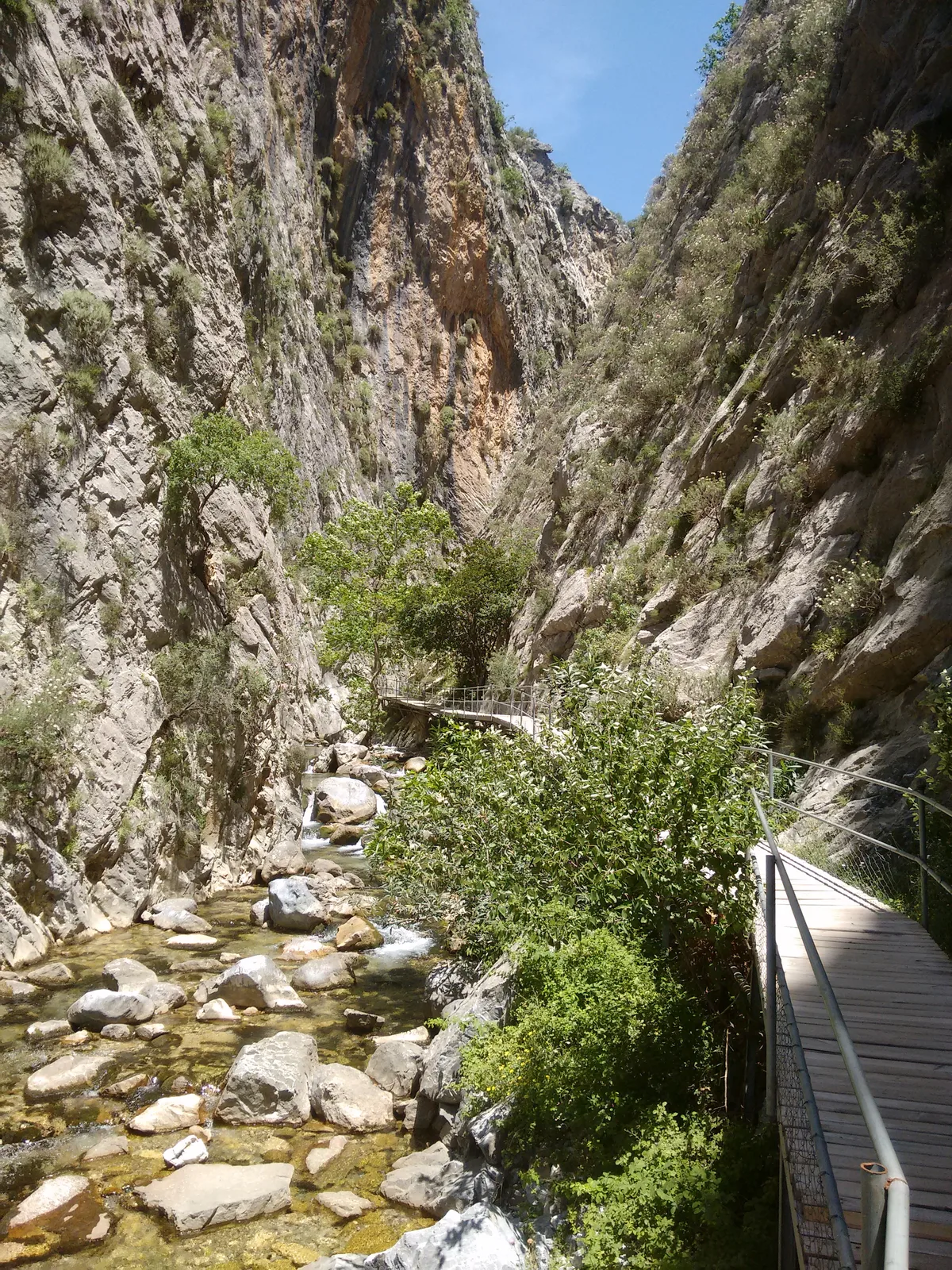
Sapadere Canyon is a visitor destination in the Alanya district with walking platforms and a waterfall described by the Turkish Ministry of Culture and Tourism. The driving task is to reach a suitable visitor parking place, after which the outing continues on foot. That distinction matters when choosing a route and estimating the day. A map marker placed inside the canyon is not a place you should expect to reach in the rental car.
The ministry describes access from the Alanya-Gazipasa road via the road towards Demirtas. Use that as broad orientation, then check a current map from your actual accommodation to the confirmed visitor approach. Your starting point can change the length of the coastal part of the journey. A generic city-centre estimate is not precise enough for a hotel elsewhere in the wider Alanya area, and no historical route description can confirm conditions on the day you travel.
Confirm current visitor access before leaving Alanya
Check whether the visitor area and intended walking route are open for the date of your trip. A tourism description establishes what the destination is, but it does not guarantee that every section is accessible today. Weather, maintenance and local management can affect a visit. Look for current information from the responsible local operator or municipality, and ask directly when the published information is unclear. Do this before driving inland rather than at the final approach.
Keep opening hours, last admission and any separate walking-area restrictions distinct. A place may be described as open while a particular section is unavailable. Ask about the part you actually intend to visit, especially if you are travelling with someone who cannot easily change plans after arrival. Do not assume that a restaurant being open establishes access to the canyon, or that a recent social-media photograph confirms the visitor route remains unchanged.
Select a route that fits the rental agreement
Review the permitted-use conditions before planning the excursion. Ask the supplier about the named destination and the intended public-road approach if you are uncertain. A general statement that a car can be used for sightseeing does not establish permission for rough tracks, private access or every shortcut suggested by navigation. Describe the actual route question so the answer can be useful. Keep any important clarification with the booking documents.
An SUV is not a universal solution to route uncertainty. Its appearance does not authorise off-road use, and a larger vehicle can be less convenient on a narrow approach. Conversely, a smaller car is not automatically unsuitable for every inland outing. Suitability depends on the specific car, load, permitted road and current conditions. Ask practical questions and make conservative decisions instead of choosing a category based on the assumption that a countryside destination requires a particular body style.
Choose the car around the passengers and the day bag
For a Sapadere outing, comfortable seating and a manageable vehicle can matter more than prestige. Count passengers and the equipment you will carry, including child seats and any mobility aid. Keep the cabin clear enough that the driver can see properly and passengers can travel comfortably. If the car is rented only for day trips, the luggage requirement may be smaller than for an airport rental, but do not overlook the items needed for a full day away.
If several people intend to drive, arrange every driver through the rental process before the outing. Sharing the journey should not depend on an unregistered passenger taking over when someone becomes tired. Check the mileage arrangement as well, including the round trip and normal local use during the rental. A one-day excursion can still be affected by a limited allowance, and the distance back to the return point belongs in the calculation from the beginning.
Build a departure routine that leaves room for changes
Before leaving, check the weather and current access information, then review the route and the intended parking destination. Fill or top up fuel according to the car's needs and your plan, without relying on a particular rural station being available later. Keep water, food and essential personal items accessible. Save the route and supplier contact details offline if possible, because the ability to make a sensible decision should not depend entirely on a continuous data connection.
Agree a latest sensible return target based on daylight, passenger energy and any later commitment. This is a planning boundary rather than a challenge to use every available minute. If departure is delayed, shorten the optional parts of the outing instead of trying to recover the time through faster driving. A clear main destination and flexible extras make it easier to preserve the quality of the day when ordinary travel takes longer than expected.
Take the inland approach at a comfortable pace
As the route leaves the broader coastal journey, give the driver time to adapt to a different road environment. Do not assume a short remaining distance means the final approach will be quick. Turns, gradients, local traffic and the need to identify the correct junction can all affect progress. Keep a pace suited to what you can see and the conditions, and avoid allowing another driver's impatience to dictate a manoeuvre you are not comfortable making.
If you miss a turning, use a safe place to reassess. Sudden braking, reversing into traffic or stopping where visibility is poor can turn a navigation error into a much more serious problem. Let the route recalculate only if the new proposal remains suitable for the car and agreement. A map may offer a minor connection that looks attractive numerically but is not a sensible replacement for the known approach.
Use the visitor parking arrangement on arrival
On arrival, follow current signs and instructions for visitor parking. Do not assume the closest visible space belongs to the attraction or is available to the public. Establish any payment, duration limit and exit procedure before leaving the car. The conditions shown on the day are more reliable than an old price or a review describing a different visit. Ask the responsible operator when the arrangement is unclear.
Look at the surface and the manoeuvre required before committing to a space. Avoid an uneven edge, obstruction or tight position that could make departure difficult after more vehicles arrive. If the area is busy, use a legitimate alternative rather than leaving the car across an access route. A slightly longer walk may be preferable, provided the path is suitable for your party. The parking decision should account for passengers as well as the dimensions of the vehicle.
Assess the walking visit independently of the car journey
Reaching Sapadere by car does not establish that the walking route suits every member of the party. Ask about current surfaces, steps, narrow sections and any access restrictions relevant to your group. A description of walking platforms is not an accessibility guarantee. If someone needs step-free access or assistance, seek specific information from the operator before committing to the outing, and keep an alternative that does not depend on everyone completing the same route.
Keep the return walk in mind when deciding how far to continue. The party may be more tired later, and a route that feels easy at the beginning can take longer on the way back. Agree how to stay together and where to meet if someone chooses a shorter visit. The rental car is waiting at the parking point, so reaching it again is part of the excursion time rather than an afterthought once the main attraction has been seen.
Let weather change the plan when necessary
A canyon outing should be assessed against current weather and local access advice. Do not assume that comfortable conditions at the coast establish the same conditions inland or on the walking route. Check before departure and remain willing to adjust if the situation changes. Where the operator closes access or directs visitors away from an area, follow that instruction rather than trying to judge the risk from a photograph or the apparent calm at the entrance.
A flexible itinerary makes that decision easier. Choose a separate alternative before the day, perhaps a shorter activity closer to the accommodation, so a change does not feel like losing the entire outing. The alternative should be assessed on its own conditions; another outdoor site may be affected by the same weather. Avoid replacing a closed canyon visit with an improvised drive farther into unfamiliar terrain simply because the rental car is available.
Plan a family visit around transitions and rest
For families, the difficult moments are often transitions rather than the main attraction: loading at the hotel, a needed stop during the drive, changing from car seats to walking and returning when children are tired. Prepare a small accessible bag for those moments. Keep the seating arrangement consistent and allow time to settle everyone before moving. A full day becomes easier when basic needs do not require unpacking all the luggage at each stage.
Confirm child seats through the rental offer and check their arrangement before leaving the collection point. For the visit itself, ask about the practicality of a pushchair or other equipment instead of assuming that a visitor platform is suitable throughout. If a carrier or another alternative is being considered, decide according to the child's needs and the adult's ability, not as an improvised solution at the entrance. The operator can describe access, while the family judges what is manageable.
Choose food and rest stops without assuming services
A meal can be a pleasant part of the outing, but decide whether it is an essential reservation or an optional stop. Check current opening and the parking arrangement for any place you specifically want to visit. Do not assume every business shown on a map is open at the time you arrive, or that its car park is available without using its services. Keep enough basic supplies for the party so a closed venue does not force an urgent detour.
When comparing places to stop, consider the access and departure as well as the setting. A steep entrance or difficult turn may be less appealing with an unfamiliar rental car. Look for a clearly permitted space and ask about any charge or condition. Avoid leaving the vehicle in a doubtful roadside position because a meal will supposedly be quick. A rest stop should reduce pressure on the day rather than create a new parking problem.
Be selective about combining other attractions
The wider area contains other places that may appear alongside Sapadere in trip suggestions, but proximity on a map does not establish a convenient combined day. Check the connecting roads, opening times and walking demands for each proposed stop. A cave visit, village stop and canyon walk can each have separate access and parking arrangements. Adding them without that detail can produce a day spent mostly negotiating entrances and watching the clock.
Use a priority order rather than a rigid list. Decide which visit matters most, which additional stop would be pleasant if time permits and which can wait for another day. If the main visit takes longer than expected, drop the least important addition. Do not shorten rest or increase driving pressure to preserve an itinerary that was only an initial idea. The purpose of self-drive flexibility is to adapt the day to the people taking it.
Make the return drive a planned part of the day
Before leaving the visitor area, check the route back to your actual accommodation or agreed return point. Review fuel, the driver's energy and any changed conditions. Do not assume the outbound navigation remains the best plan if it proposes a different shortcut on return. Use a suitable route and give yourself time to follow it without rushing. A passenger can manage directions while the driver concentrates on the road.
If you return towards Alanya during a busier period, allow the final urban section to take its own time. The day is not finished when you reach the coastal road. Hotel access, unloading and parking may still require attention. Keep essential belongings organised and avoid scheduling a tight dinner appointment immediately after an optimistic arrival estimate. The most relaxed day-trip plans include a soft landing at the accommodation rather than a second deadline.
Questions & answers
Do I need an SUV for Sapadere Canyon?
Do not assume so. Check the intended public-road approach, current conditions and the selected vehicle's suitability with the supplier. An SUV does not authorise off-road use. Passenger space, familiar controls and a permitted route are more useful criteria than appearance alone.
Can I drive to the waterfall itself?
Plan to use the authorised visitor parking and continue along the permitted visitor route. The ministry describes walking platforms within the canyon. A map marker at a natural feature does not establish vehicle access or permission to drive closer.
How should I estimate the total outing time?
Use a current map from your accommodation to the visitor approach, then add parking, the walk, breaks and the return. Check opening and last-admission information separately. Avoid using driving time alone as the length of the day trip.
Is the canyon suitable for every mobility level?
Ask the operator about current surfaces, steps and access for your specific needs. A general tourism description cannot confirm step-free access throughout. Plan an alternative or shorter visit if the walking route does not suit everyone in the party.
Should I book a car only for this excursion?
Compare a short rental with your wider itinerary, including collection time, parking and return. Check amendment conditions if the outing depends on weather or access. Do not assume a sightseeing cancellation automatically changes the rental's payment obligations.
What is the most useful backup plan?
Choose a simpler activity whose access and conditions you can verify independently. Avoid replacing a closed canyon visit with an improvised minor-road drive. A flexible day should let you turn back or shorten the outing without racing to another attraction.